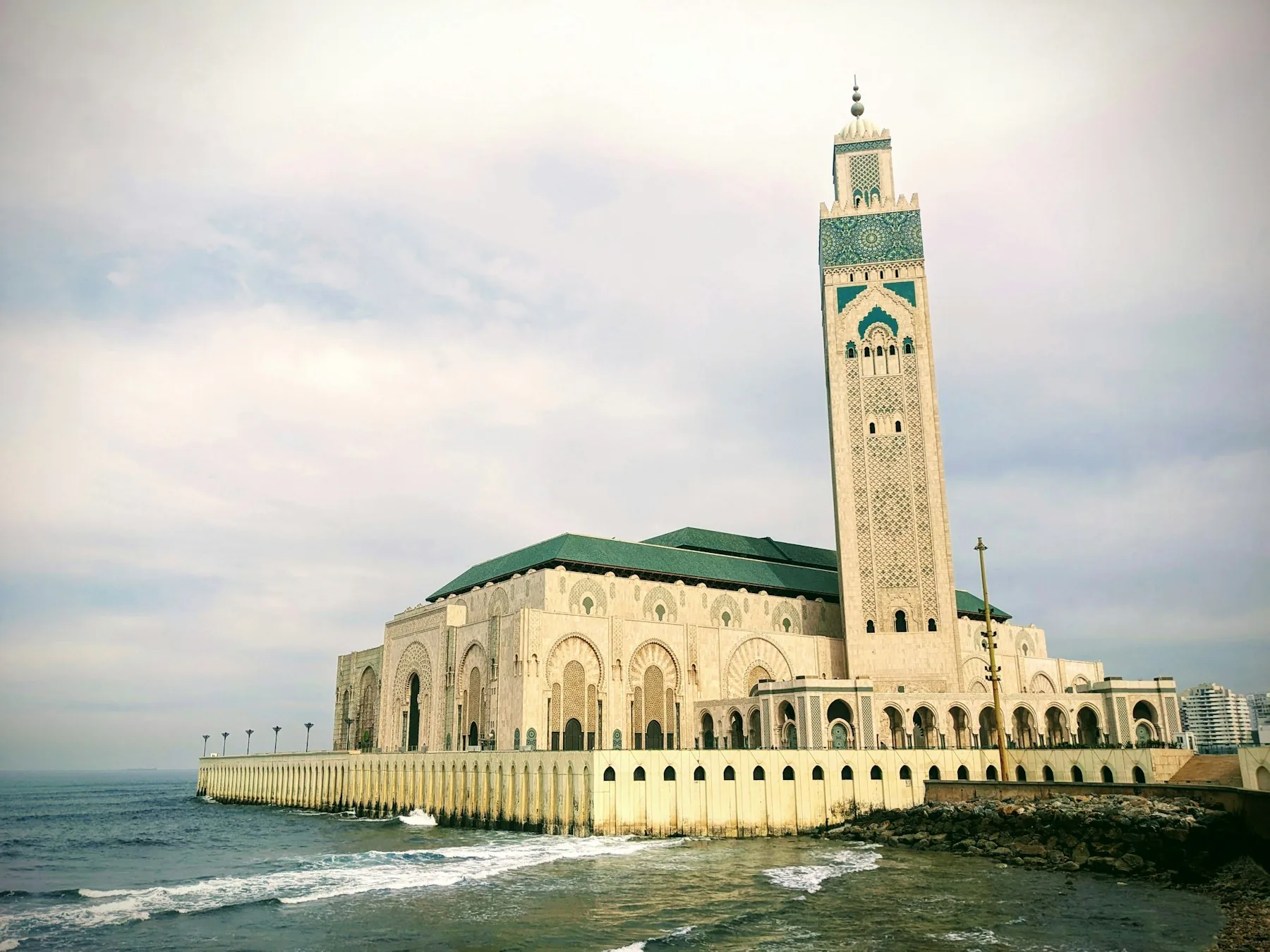
Day 01 01 / 06
Casablanca
Arrival in Morocco.
A city by the ocean. A journey just beginning.A CELESTIAL EVENT. AN EXTRAORDINARY PLACE.
02.08.2027
For a few extraordinary minutes,
the world stands still.
THE MOON MOVES. EVERYTHING CHANGES.
Totality.
4 minutes that will never feel like 4 minutes.STATIC VIEW · ILLUSTRATIVE SIMULATION
02 / THE SHADOW’S JOURNEY
Across the Atlantic. Over the Strait of Gibraltar.
And into the heart of northern Morocco.
03 / YOUR PLACE IN THE SHADOW
Totality is a place, as much as a moment.
Find it in northern Morocco.
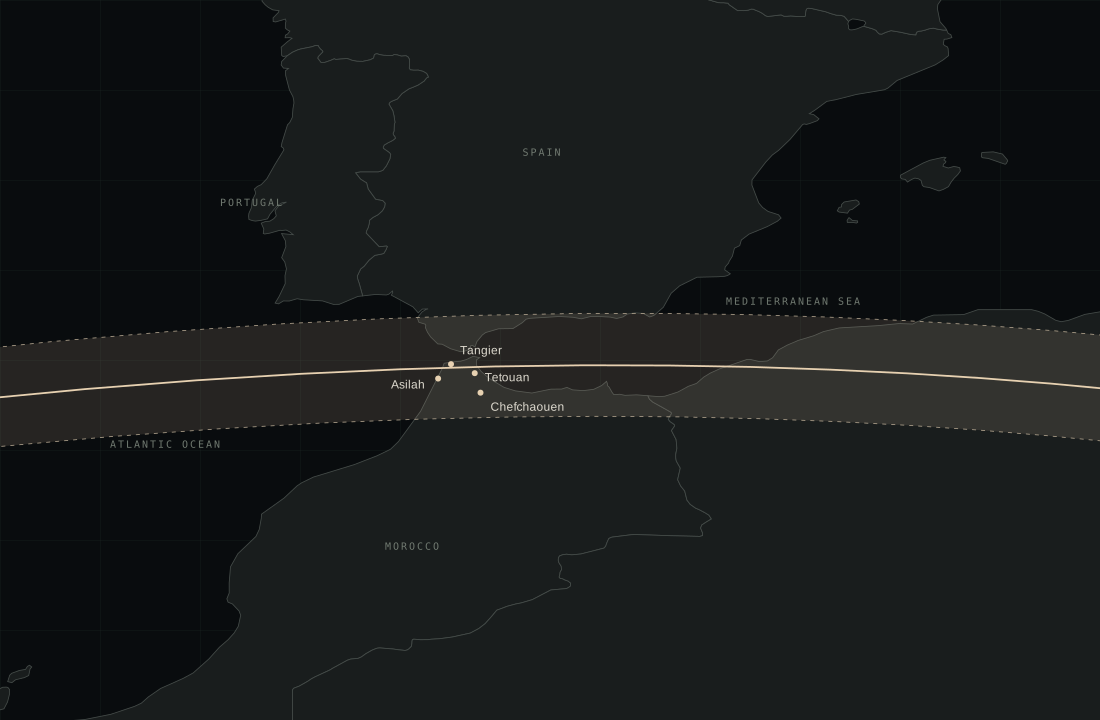
35.7673° N 5.7998° W
At the meeting of two seas. A northern gateway with access to Atlantic and Strait viewing areas.
02 AUGUST 2027NASA’s 120-second path samples. Boundaries are interpolated; verify the exact observing site.
Geography: Natural Earth. View source data ↗
Because the eclipse is
only part of the journey.

Before the sky goes dark,
get lost in blue.
Where two seas meet. And the world slows down.
The north, looking out to sea.
A thousand little streets. One extraordinary morning.
White walls. Mountain light.
Take the long way through time.
An imperial city, still unfolding.
Ocean air. A little room to breathe.
A pause on the Atlantic.
Every journey begins with a horizon.
The Atlantic, at your feet.
Follow the road north.
Let the anticipation build.
Arrival in Morocco.
A city by the ocean. A journey just beginning.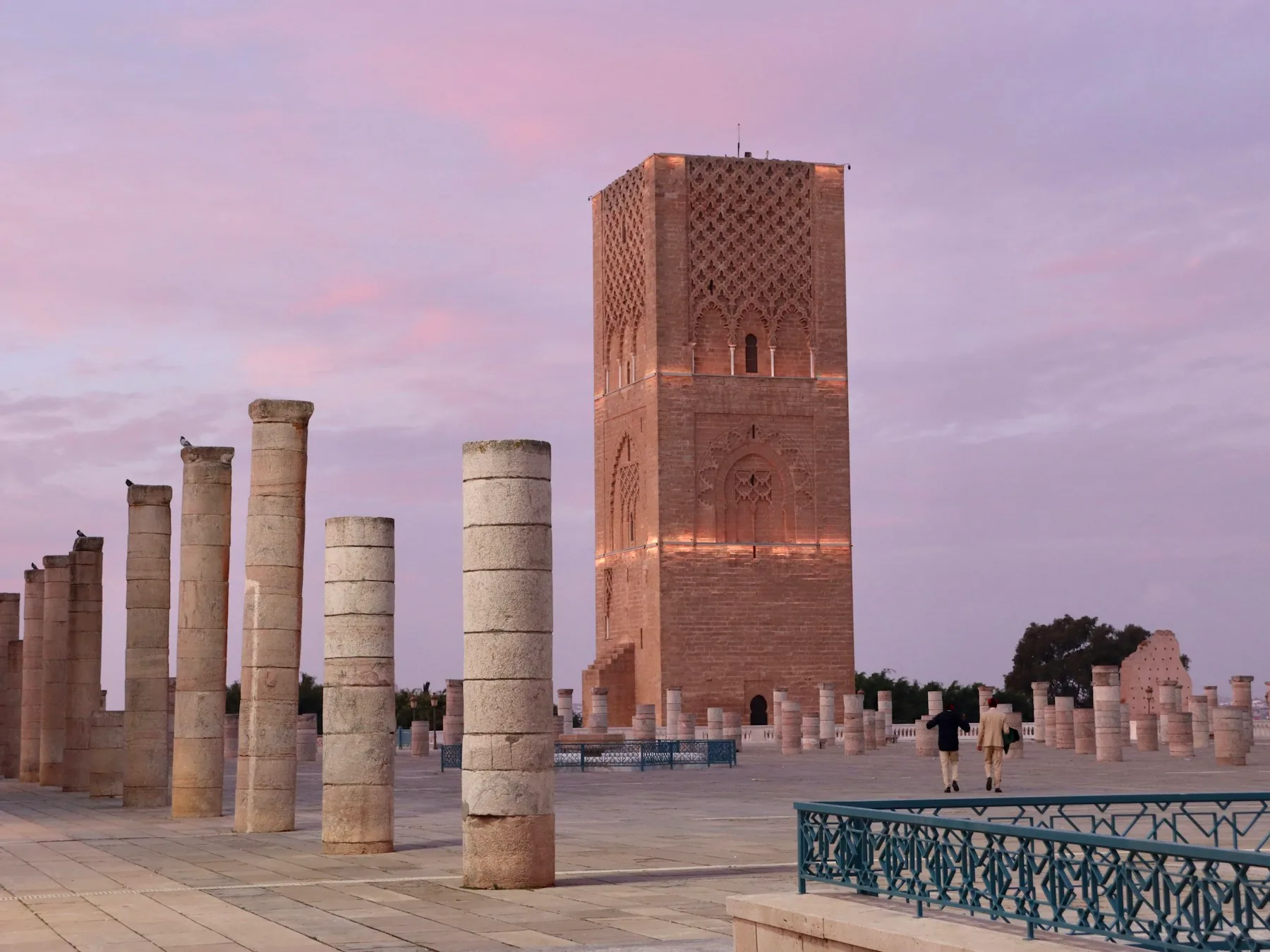
Follow the Atlantic north.
Quiet courtyards, ocean air, and room to slow down.Before the dark, the blue.
Spend a day among the Rif mountains and blue streets.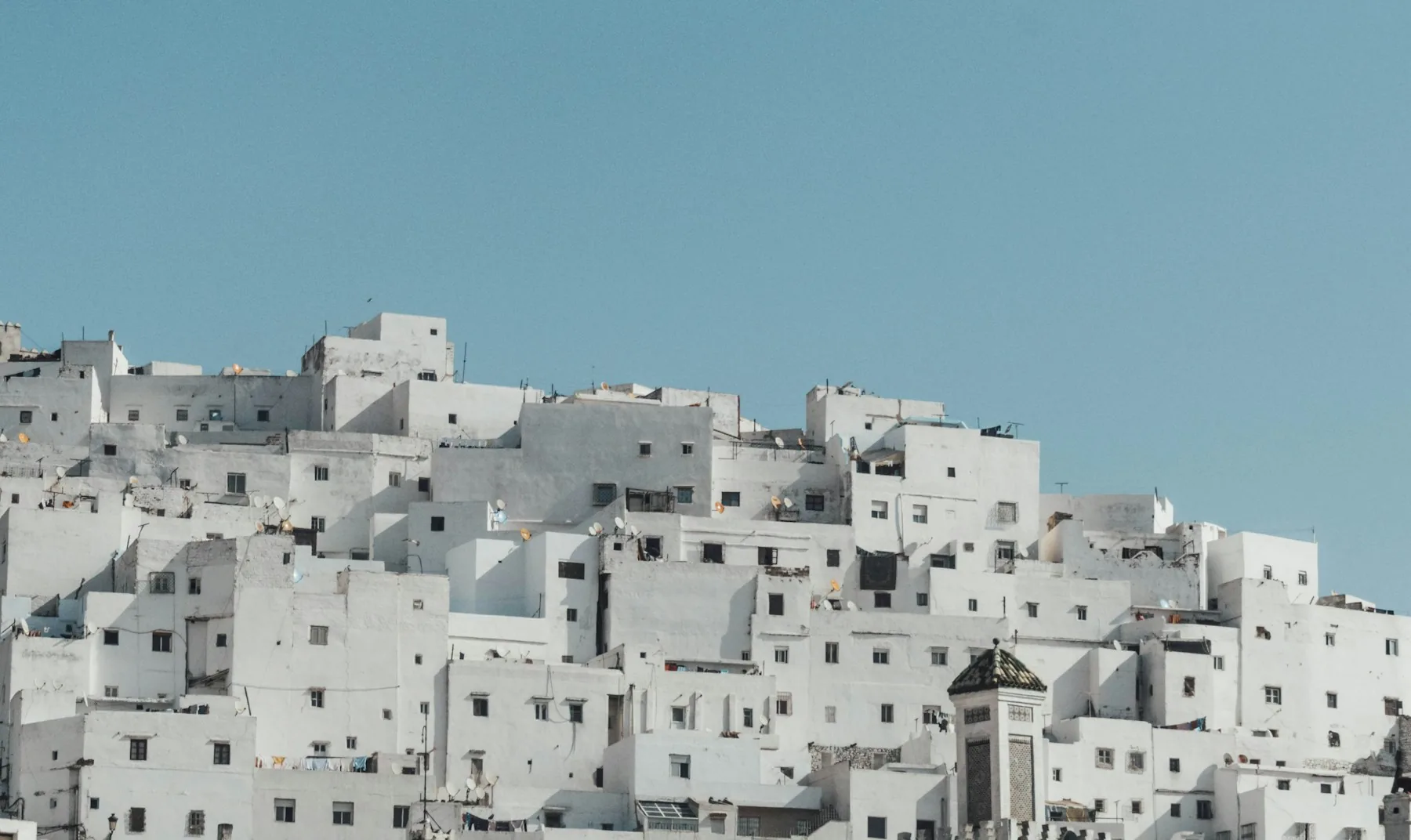
Get into position.
Settle in the north. Check the viewing plan and the sky.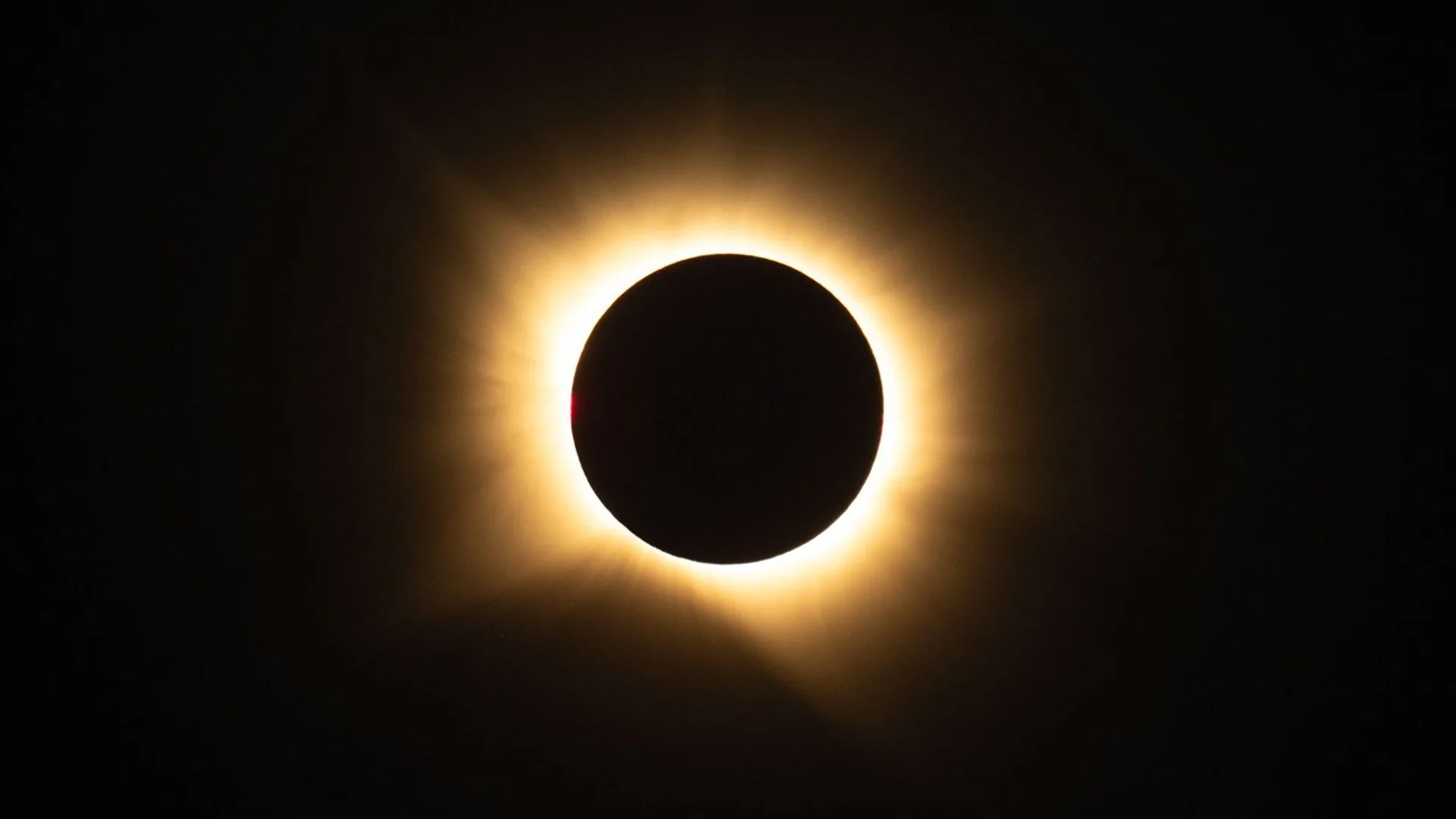
The reason we came.
Travel to the confirmed observing site. Then look up.
Return to a different world.
A final chapter in the medina, with time to remember.An early departure, adjusted to the final observing site.
Leave time to settle in and check the sky.
Secure solar filters, rehearse the plan, then slow down.
The Moon starts its passage across the Sun. Solar viewers on.
Solar viewers back on for the remaining partial eclipse.
Departure and arrival times are provisional journey logistics. Astronomical contact times remain unset until the observing site is confirmed.
When the Sun disappears,
everything else does, too.
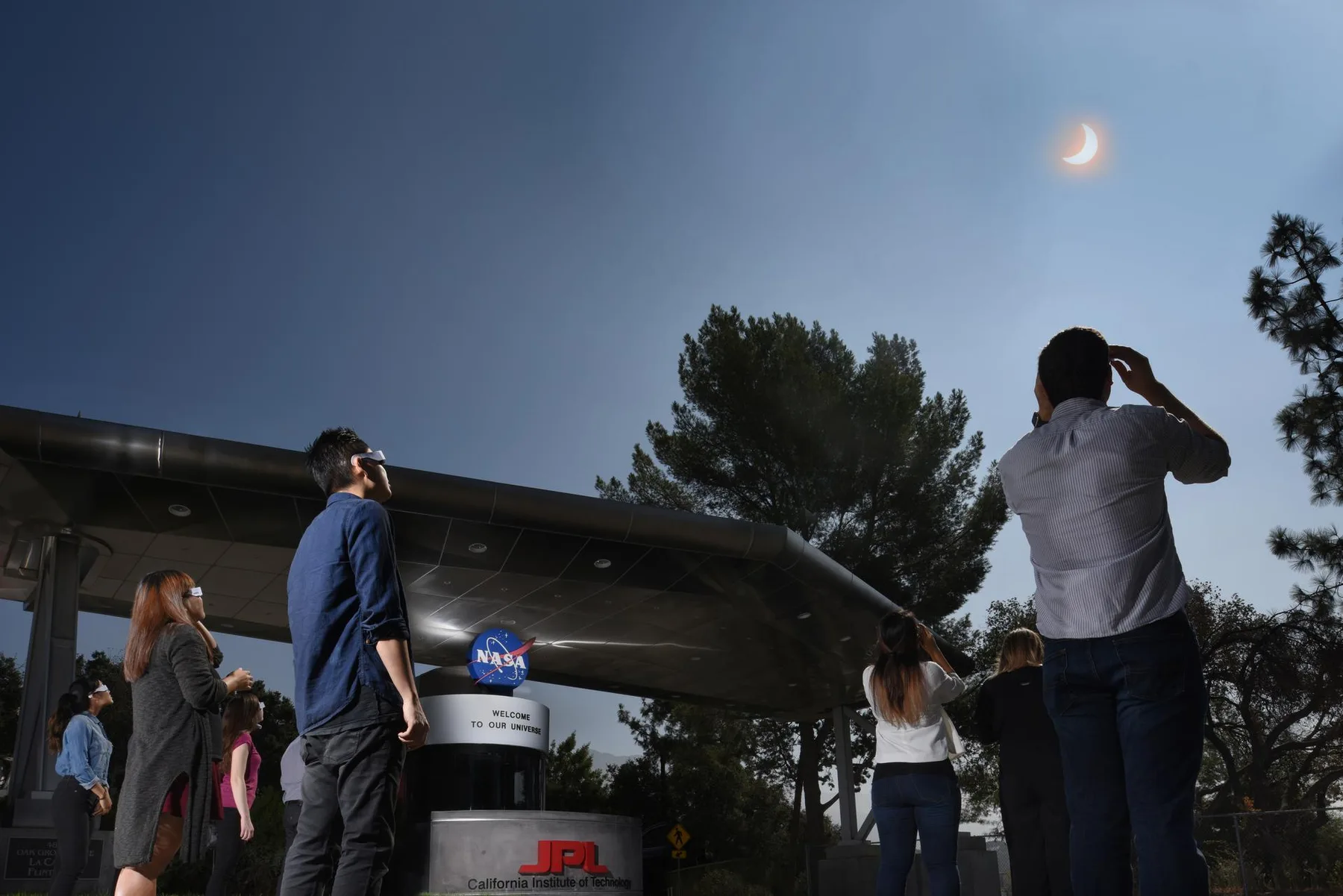
You can watch
an eclipse online.
Three worlds. One extraordinary alignment.
Our star lights one half of Earth. During a solar eclipse, the Moon passes between us and the Sun.
The Moon’s narrow central shadow is the umbra. Inside it, the entire bright face of the Sun is hidden.
The umbra sweeps a narrow path across Earth. Outside it, the wider penumbra produces a partial eclipse.
Use ISO 12312-2 compliant solar viewers during every partial phase. Remove them only during complete totality at a confirmed location inside the path, then replace them before the Sun reappears.
Explore the science with NASA ↗A journey through northern Morocco,
built around a few minutes
you will remember forever.
An illustrative journey. Dates, group arrangements and the exact viewing site are confirmed in your proposal.
THE FIELD GUIDE
The Morocco solar eclipse of 2027 deserves more than a map pin. Understand the path, choose a thoughtful place to stand, and arrive with time to look up.
On Monday, 2 August 2027, a total solar eclipse crosses northern Morocco. The Moon passes between Earth and the Sun; for observers within its narrow inner shadow, the bright solar surface disappears. For a few minutes, the Sun’s outer atmosphere becomes visible, weather permitting. Elsewhere, observers see a partial eclipse. NASA’s guide to eclipse types
This is a precise astronomical event with a personal experience. The partial phases give you time to notice the changing shape of the Sun through a safe solar viewer. Totality is the brief, complete covering that comes between them. Treat those phases differently when planning both your photographs and your eye protection.
NASA’s catalog lists a global central duration of about six minutes and 23 seconds. That number is not the duration from a Moroccan hotel or viewing site. For Tangier, timeanddate publishes four minutes and 51 seconds at its city reference. Every final viewing location needs its own calculation. NASA’s 2027 catalog · Tangier’s published circumstances
The path of totality is a geographic corridor, not a promise attached to a country name. This map uses Fred Espenak’s NASA table of northern limits, southern limits and central-line coordinates in WGS84. The source supplies samples every 120 seconds of Universal Time. Our regional outline connects those samples to make the northern Morocco crossing legible. Read the original path table
The Tangier, Tetouan, Chefchaouen and Asilah reference pins fall inside this sampled outline. A city pin is useful for choosing a region; it does not describe a particular terrace, beach or field. Duration, solar direction, horizon obstructions and access must all be checked at the actual observing coordinates. Near a path limit, use a detailed calculator rather than estimating from a colored band.
Choose the experience you want first, then test it against the geometry. A long total phase is appealing, but a comfortable site with a clear view, reliable access and a practical weather alternative can matter more than a small difference in duration. Keep the final coordinates with your itinerary so the whole group is planning for the same place.
Northern Morocco offers several different settings to consider: a city base around Tangier, the Tetouan region near the Mediterranean, Atlantic areas around Asilah, or a mountain stay near Chefchaouen. Start with the practical questions. Can the group reach the site before the partial phase? Is there permission to use it? Is the ground suitable for tripods and anyone with limited mobility?
Look along the Sun’s predicted direction at the relevant contact times. A wide panorama is not enough if a ridge, neighboring building or tree obscures the exact part of the sky you need. Scout at a comparable morning hour and use a location-specific solar calculator. In the Rif, check the mountain skyline carefully; within a medina, ask about terrace access rather than assuming a rooftop is available.
A good site also needs shade while you wait, drinking water, toilets, a place to sit and a way to leave without rushing. Keep vehicle access clear and avoid setting up where equipment could block residents or other visitors. The quietest preparation often produces the most memorable few minutes.
Weather is the largest uncertainty that a well-organized journey cannot remove. Climate information helps compare regions long before departure; a short-range forecast helps decide where to stand on the day. Neither guarantees a clear view. Historical cloud percentages describe a dataset and a method, not the odds for your particular patch of sky in 2027. AAS climate and weather resources
Build a weather plan around a small number of reachable alternatives. Compare the travel time, road access, permissions and solar sightline for each one. A backup that requires an unrealistic dawn transfer may offer little practical flexibility. Agree in advance who makes the final decision and when; endless last-minute changes can consume the time needed to set up safely.
Use the final days to review cloud forecasts, then check current conditions as the event approaches. Include comfort in the decision: exposed ground, wind and long waits affect observers and equipment even when the Sun is visible. Carry water, sun protection and a light layer, and give the group a calm place to wait. Clear skies are the hope; thoughtful preparation is the part you can control.
Work backward from the confirmed viewing site. An international arrival, a city transfer and a drive to the observing area are separate pieces of the journey. Leave a buffer between them. Being established in northern Morocco beforehand gives you time to resolve delays, collect supplies, scout the route and hear the final safety briefing.
For part of the approach, ONCF’s Al Boraq connects Casablanca and Tangier via Rabat Agdal and Kenitra. Consult the operator for actual services and reservations rather than carrying a timetable from a previous year into eclipse week. Rail can simplify the intercity journey, but the final transfer from a station to a viewing site still needs a plan. ONCF route information
For road travel, discuss departure time, pickup points, parking and a realistic weather alternative with the driver. Keep addresses and meeting details available offline. Decide what happens if someone is late or a road becomes inaccessible. Avoid a tight flight or onward connection immediately afterward: a relaxed departure lets the group pack carefully and share what they have just seen.
The most useful accommodation is the place that supports the observing plan. A beautiful room far from the chosen site may add a difficult morning transfer. Compare location and access alongside the hotel itself. Confirm how vehicles reach the property, where the group meets and whether breakfast or a packed meal can be arranged before a normal service time.
If you hope to view from the property, request explicit confirmation of the observing area. Ask whether it is reserved, how many people it accommodates, whether it has a clear solar sightline and what happens if local conditions favor a different site. A rooftop photograph in a listing does not establish permission, accessibility or eclipse visibility.
Keep the booking terms in writing, including cancellation deadlines, room categories, included meals and the arrangements for late arrivals. For a tailored journey, ask which hotels are confirmed and which are suggestions. Allow enough nights in the north to make the travel experience comfortable, and leave an unhurried evening after totality. Practical certainty gives you space to enjoy the extraordinary part.
Decide what you want to record before choosing equipment: a close view of the corona, the landscape as the light changes, or the people beside you. Those are different photographs. A simple, practiced setup can be more satisfying than several unfamiliar cameras. Rehearse controls, focus and your sequence at home so the eclipse does not become an equipment lesson. AAS imaging guidance
During the partial phases, cameras, binoculars and telescopes require suitable solar filters securely fitted over the front of the optics. Eclipse glasses worn on your face do not make unfiltered magnifying equipment safe. Get expert advice for your instrument and follow the manufacturer’s instructions. A filter at the eyepiece end of a telescope is dangerous. Solar filters for optics
Pack spare batteries, memory cards and a stable support. Keep the setup compact and considerate of people around you. Plan filter handling with the safety briefing, and never let a timer replace verification of the eclipse phase. Reserve part of totality for looking with your own eyes under the agreed safety guidance. You do not need to document every second to remember it.
Use special-purpose solar viewers that meet ISO 12312-2 whenever any bright part of the Sun is visible. Ordinary sunglasses are inadequate. Inspect viewers for damage and supervise children. Buy through a reputable supplier; a printed standard number alone is not proof of safety. AAS safe viewing instructions · Verified supplier guidance
Inside the path, unaided observers may remove their solar viewers only while the Moon completely covers the Sun’s bright surface. Put them back on as soon as that surface reappears. Outside the path, there is no unfiltered viewing interval. If you are uncertain about your location or the phase, keep protection on and follow the observer leading the safety briefing.
Agree on clear spoken instructions before the event, and make sure everyone can hear them. Keep viewers within reach. Treat cameras and other magnifying optics as a separate procedure requiring expert guidance. Choose a comfortable place to stand or sit, keep walkways open and avoid moving through tripods as the light falls. Careful preparation lets the group give the sky its full attention.
A seven- to nine-day journey gives the eclipse a setting. The illustrative sequence here moves from Casablanca and Rabat toward Chefchaouen and Tetouan, pauses for a confirmed northern viewing site on 2 August, and continues to Fes. It is a story route, ready to be adapted to arrival flights, pace and accommodation.
Keep the day before the eclipse comparatively light. A relaxed arrival, a short walk and a site briefing can be more useful than another long excursion. Give yourself time to charge equipment, check viewers and understand the morning plan. Afterward, resist filling every remaining hour. The change from waiting to remembering deserves a little space.
Before committing, ask for a written proposal covering the exact dates, transport, guide arrangements, hotels, observing-site permissions and weather plan. The operator’s published seven-day tour is a customizable private journey; final inclusions, solar viewers and availability should be confirmed in the booking. This page’s cinematic itinerary does not establish a reserved place or a guaranteed viewing outcome. Published journey details
No. The total phase is confined to the Moon’s narrow shadow across the north. Check the exact observing coordinates against a detailed path and local calculator; a destination’s country name does not establish totality. NASA path coordinates
timeanddate publishes four minutes and 51 seconds of totality for its Tangier city reference. The partial eclipse lasts longer. Treat the city value as a reference and calculate the contacts and duration for your final site. Tangier reference calculation
There is no single answer before your site and weather plan are known. Compare totality duration, the solar sightline, access, comfort and a practical alternative. A well-prepared site is more useful than a famous viewpoint with uncertain permissions.
Arrive comfortably before first contact, with time to set up and hear the briefing. The departure and arrival times shown here are provisional logistics. Exact contact times belong to the chosen coordinates and the confirmed local clock.
The countdown ends at 00:00 UTC on 2 August 2027, the beginning of eclipse day in UTC. It is a date countdown. It does not mark sunrise, first contact or the start of totality at a particular location.
You can record the people, landscape and changing light. For images directed at the Sun during partial phases, use suitable front-mounted solar protection and follow expert guidance for the device. Keep some of the experience for yourself. AAS photography advice
No. Forecasts, site scouting and flexible transport improve planning, but clouds can still interrupt the view. Ask how the observing decision is made, which alternatives are accessible and what your booking terms cover.